




Discover Low Carb Scandinavian Dishes
Explore a variety of healthy meals inspired by Scandinavia
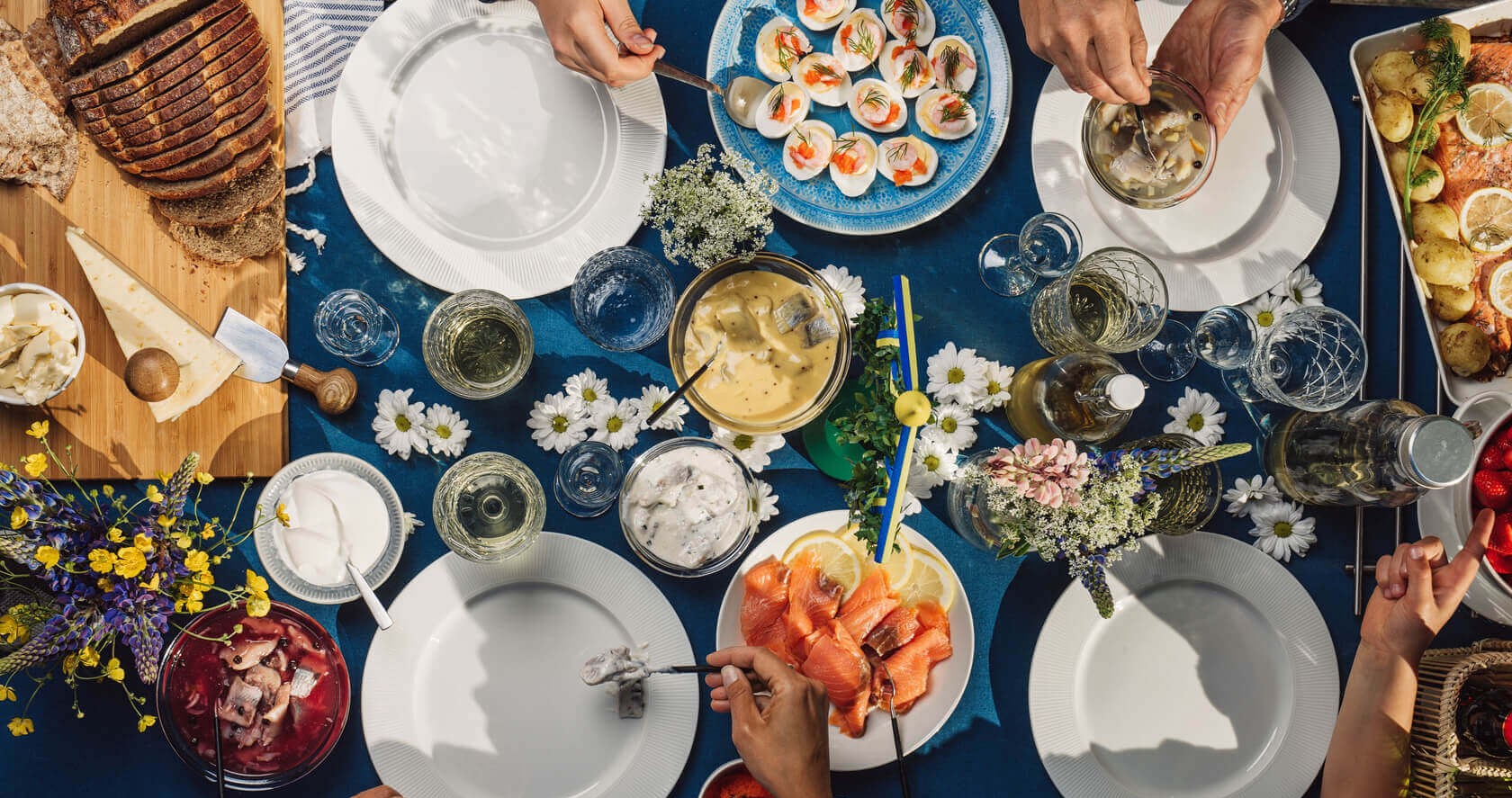
We’ve explored many different types of international cuisine here on the Low Carb Lifestyle blog, but we realized that we had yet to set our sights on the delicious dishes and unique flavours found in Scandinavia. Join us as we move through Norway, Sweden, Finland, Denmark, and Iceland on an exciting low carb culinary journey!
Although Europe is the smallest continent, it sure has a dizzying array of cuisine styles thanks to the dozens of different countries and countless cultural influences that can be found there. Within Europe, there are several sub-regions that often share certain similarities in terms of ingredients, preparation methods, and presentation styles. One such region is Scandinavia, an area of northern Europe consisting of five countries; Denmark, Iceland, Norway, Sweden, and Finland.
As these are some of the northernmost countries in Europe, climate and geography certainly play a part in differentiating Scandinavian cuisine from that of other more southerly areas of the continent. The ingredients naturally found in Scandinavia are of a very different variety, and so too are some of the preparation methods used. Let’s explore these differences in a bit more detail as we look at the key differences that make Scandinavian cuisine stand apart.
What’s Different About Scandinavian Cuisine?
For starters, the basic components of Scandinavian cooking are quite similar to most other regions. Core ingredients include meats such as pork, poultry, beef, and wild game, as well as fish and seafood from both freshwater and saltwater sources. Fishing is a major industry for these countries, given the expansive stretches of coastline many of them contain. Other important ingredients in Scandinavian cooking are breads and baked goods, particularly rye breads, along with dairy products, regional fruits such as lingonberries and cloudberries, and a wide range of root vegetables.
Scandinavian food commonly features dishes and ingredients that have been preserved in some way for longer shelf life. This aspect is heavily influenced by the regional climate and traditional methods of cooking, especially through the cold months of winter. Common preservation methods include smoking, pickling, salting, and drying. These elements continue to feature prominently with high popularity in modern dishes from the area.
In terms of flavour profiles, Scandinavian meals have quite a diverse variety. Some dishes are light, fresh, and vibrant, while others are rich, savoury, and hearty. In general, Scandinavian cuisine takes fairly simple individual flavours, but works to combine them in unique ways to bring out a complex tasting experience as you progress through the different dishes and courses of a meal.
Let’s now take a closer look at some of the distinctive and traditional dishes found in the Scandinavian countries of Denmark, Iceland, Sweden, Norway and Finland, as well as some modern recipes that build off of the cultural history of the area.
Healthy Scandinavian Recipes for the Low Carb Lifestyle
Traditional Swedish and Danish Smörgåsbords
One of the most famous aspects of Scandinavian cuisine that is known the world over is the smörgåsbord. While most popular in Denmark and Sweden, this type of meal can be found almost anywhere in varying styles. Even between Denmark and Sweden, there are some specific differences between how a smörgåsbord is typically served.
Swedish smörgåsbords consist of a selection of hot and cold foods such as meats, cheeses, breads, seafood, and sweet desserts. At first glance, Swedish smörgåsbords look similar to the trendy charcuterie boards that are so popular in North America. However, while in North America the various items on the board can be eaten in any random order or combination, Swedish smörgåsbords are designed to be eaten in a specific progressive order. Usually this begins with a selection of breads, cheeses, and butter. Then, cold items such as preserved fish are next. Hot foods come next, often including meats and warm salads. The experience then concludes with sweet desserts.
On a Danish smörgåsbord, you’ll find a variety of open-faced sandwiches that diners build themselves from a selection of meats, cheeses, butters, and other fillings. Salads and desserts are also common on Danish smörgåsbords. In both cases, Danish and Swedish smörgåsbords are shared among family and friends as a communal meal to be experienced together.
Both varieties feature many low carb foods such as meats, cheeses, fish, and salads. These boards can easily be made even lower in carbs by substituting the breads, potatoes, baked items, and desserts with your preferred choice of low carb options. It’s quite easy to make your very own low carb smörgåsbord and still feature the most popular traditional items from Denmark and Sweden.
Norwegian Fish Soup Recipe – Fiskesuppe
Norway has one of the longest continuous coastlines in the world, so it should not come as any surprise that seafood and fish are prominent in some of the most traditional Norwegian dishes. This particular recipe for ‘fiskesuppe’, or Norwegian Fish Soup, is perfect for the low carb lifestyle with big chunks of salmon, plenty of vegetables, and rich cream. This keto-friendly version of hearty fish chowder is incredibly delicious, nutritious, and easy to make.
Low Carb Finnish Hashbrowns – Pyttinpannu
Hashbrowns can be found in dozens of different varieties in countries all over the world, but in Finland, they take the form of a fried dish known as pyttinpannu. Naturally, the traditional method of preparing Finnish hashbrowns includes potatoes, but this recipes takes the carbs down by using a healthier option; daikon radish. Chopped and cubed, daikon radish is fried in butter with yellow onion and seasoned with salt and pepper. Add in chunks of your favourite type of sausage to create a delicious fried low carb hash that is perfect for a hearty breakfast, or enjoy it at lunch or dinner.
Low Carb Swedish Meatballs – Köttbullar
What food could possibly be more closely associated with Sweden than meatballs? Swedish meatballs are tasty little high-protein bites that are slathered in a rich and savoury gravy. These are a classic addition to any hot appetizer table, but are equally at home as the protein on a low carb dinner plate when accompanied by seasoned veggies or on top of a bed of cauliflower rice or zucchini noodles. Each meatball is full of flavour, and absolutely delicious.
Keto Danish Pork Patties – Karbonader
As we head back to Denmark, we discovered this recipe for traditional Danish pork patties known as ‘karbonader’. Simply by replacing the typical bread crumb binder with crushed-up pork rinds, this keto-friendly and low carb version of karbonader adds flavour and cuts out the carbs in one step. You can make smaller patties to serve as hot appetizers, or make bigger ones to have with a well-balanced low carb meal. Super easy, and super delicious!
Gravad Lax – Swedish Salmon & Sweet Mustard Dill Sauce
Salmon features heavily in Scandinavian cooking, as shown in the Norwegian fish soup recipe we looked at earlier. The Swedes have their own traditional salmon dish that you may be familiar with. Gravad lax, or gravlax for short, is a simple dish of fresh salmon cured with a mixture of lemon, salt, peppercorns, dill, and traditional Swedish liquor called ‘Aquavit’. Once the salmon has been cured in the fridge for about 48hrs, it is then cleaned and served with a sweet mustard dill sauce.
Traditional Icelandic Fish Stew – Plokkfiskur
In Iceland, cod fish takes the stage in this hearty and filling stew. The distinctive flavours of leeks, chives and gouda round out the taste experience and create a nutritious meal that is sure to satisfy even the biggest appetite. You can easily customize this stew by adding more vegetables of your choice, or by incorporating other ingredients like smoky bacon bits. You’ve got to give this one a try!
Fårikål – Norwegian Lamb and Cabbage Stew
We finish in Norway with their traditional national dish of tender lamb and fragrant cabbage. Fårikål lamb and cabbage stew is typically served alongside potatoes, but you can easily substitute any other potato alternative to take their place. Some examples include daikon radishes, turnip, parsnips, and cauliflower mash. This is a low-and-slow recipe, but the result is well worth the wait. The bold flavour of black peppercorns will infuse the stew the longer it simmers, and the lamb will be fall-apart tender. Be prepared for an unforgettable meal!
Explore More International Low Carb Cooking Ideas
Try adding these Scandinavian recipes to your weekly low carb meal plan to shake things up and bring some exciting new flavours to your table. If you’re curious what other international cuisine options you might want to consider, take a few minutes and browse around the other articles in our Low Carb Lifestyle blog. For example, we have delicious collections of recipes from areas of the globe including Africa, Ireland, Korea, and more. Start your globetrotting flavour journey today!



Explore Our Popular Shopping Categories


More Low Carb Lifestyle Articles
Low Carb University: Everyday Alternatives
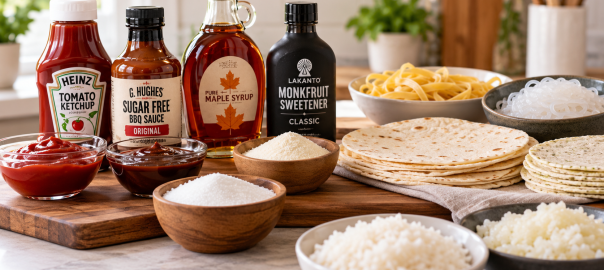
We compared common staples with their low-carb replacements at the same serving. Regular ketchup has 10 g of net carbs per two tablespoons, and Crazy Mooskies has 1 g. Cooked spaghetti has 26 g per 100 g, and nuPasta konjac fettuccine has none. The full chapter covers sauces, syrup, tortillas, pasta, rice and breadcrumbs, plus which swaps to start with.

Low Carb University: Nutrition Labels
Canadian labels can’t show net carbs, so the math falls to you. Our latest chapter covers what’s inside the carbohydrate line, how to calculate net carbs, and how to spot sugar in the ingredient list. It also explains why a keto snack can still carry a “high in saturated fat” symbol. Read on to learn more.
Low Carb University: The Baking Shelf
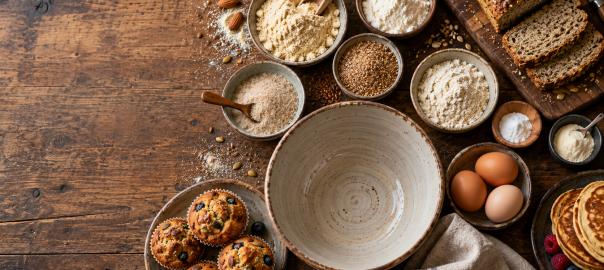
Low-Carb Pantry University, Chapter Three: the baking shelf. A quarter cup of coconut flour replaces a full cup of wheat flour. One tablespoon of flaxseed meal and three of water makes an egg. Half a teaspoon of xanthan gum thickens a cup of liquid. Every ingredient on that shelf is replacing one specific thing wheat flour and sugar used to do. Our new guide explains which is which.
Low Carb University: 25 Pantry Staples
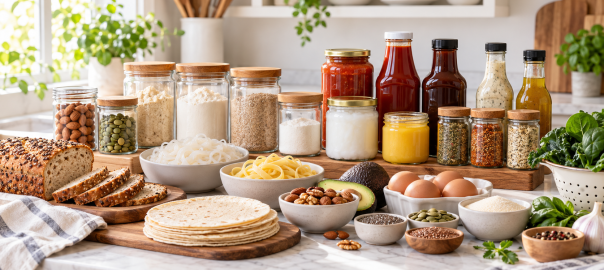
Twenty-five low-carb staples, sorted by what they actually do. Bread at 1g net carbs a slice. A full plate of pasta for 25 calories. Sauces with the sugar taken out. Protein you can eat straight from the bag. Every entry lists its carb count and how long it keeps once opened. Chapter Two of Low-Carb Pantry University is on the blog now.
Low Carb University: Building Your Pantry
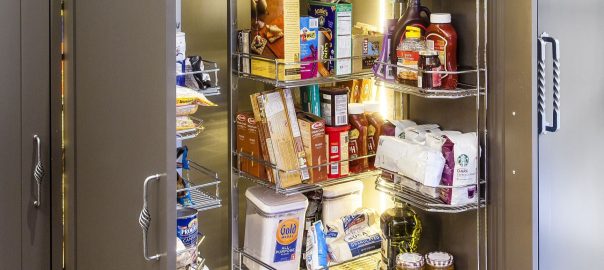
Most first low-carb grocery orders are too big. Three sweeteners, four flours, and a month later half of it is unopened. Our new pantry guide covers what’s actually in each category, which products to start with, and the five items that will carry you through a month of cooking. Sweeteners, flours, bread, pasta, condiments, spreads, chocolate and snacks, all in one place.
RECENT POSTS
Popular Categories

© 2026 Low Carb Grocery. All Rights Reserved.